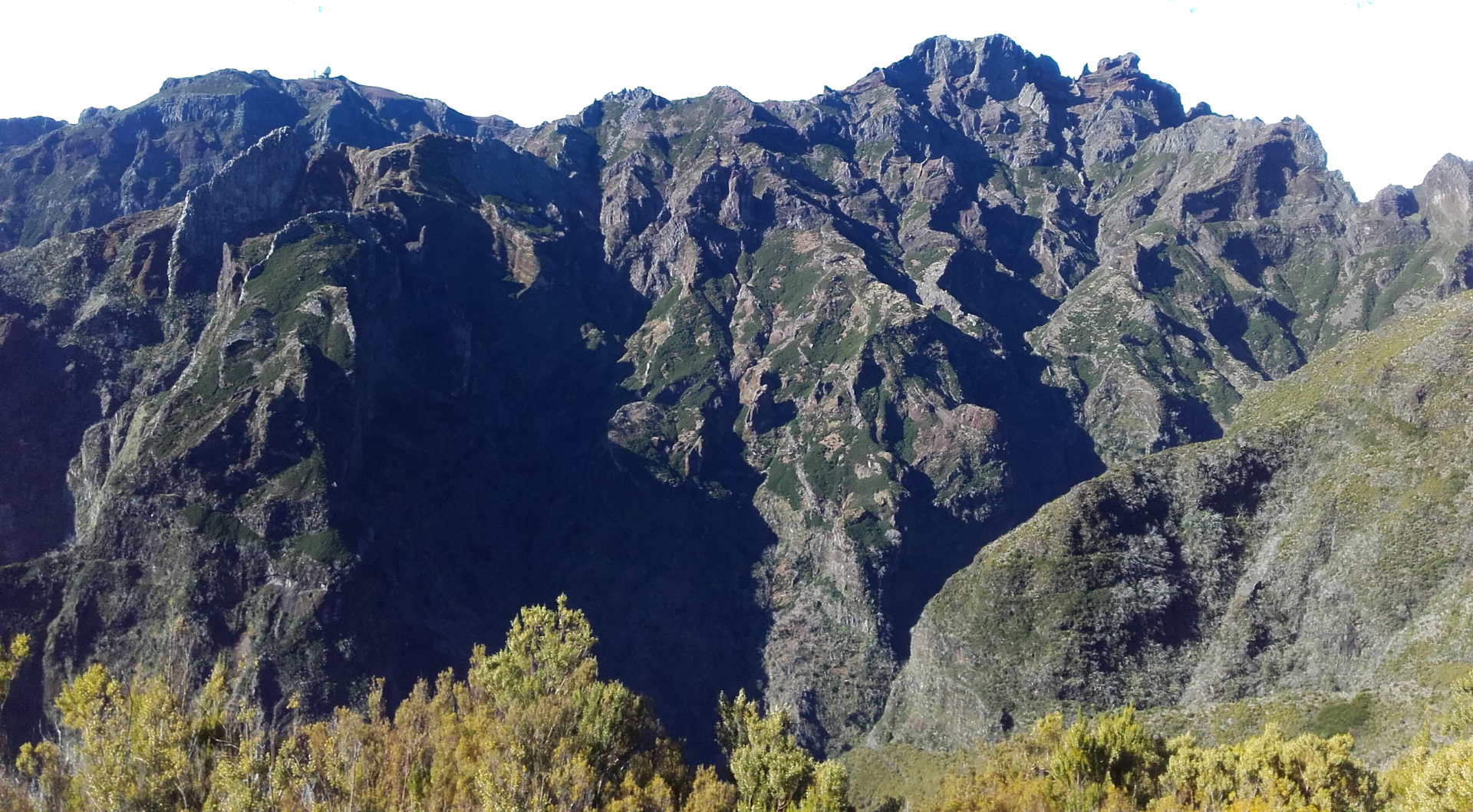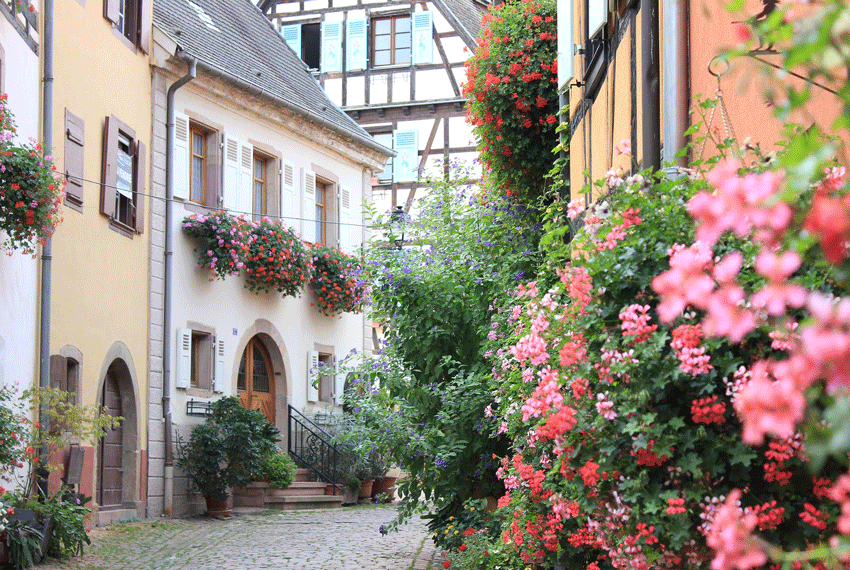
Nestled between the Vosges Mountains and the Rhine Valley, Alsace is a region that rewards exploration at every turn. If you're wondering what to do in the Alsace region, you'll discover a wealth of experiences, from vineyard hikes and medieval villages to cultural landmarks and world-famous wines. This Alsace travel guide highlights the best places to visit in Alsace and showcases the region's unique blend of outdoor adventure, history and gastronomy.
Whether you're searching for things to do in Alsace, planning an Alsace itinerary, or looking for inspiration for your next Alsace vacation, the region invites you to slow down and connect with its landscapes and traditions. The famous Alsace Wine Route winds through colourful villages such as Riquewihr, Eguisheim and Kaysersberg, while the nearby Vosges Mountains offer some of eastern France's most rewarding hiking trails.
Why is Alsace so unique?
One of the things that makes Alsace so captivating is its distinctive identity, shaped by centuries of both French and German influence. Situated along a historic crossroads of Europe, the region has developed a culture that feels entirely its own. This unique heritage is reflected everywhere—from the local cuisine and festive traditions to the Alsatian dialect, which is still spoken in some communities today. Visitors will notice the blend of influences in the architecture too, where colourful timber-framed houses, ornate façades and flower-filled balconies create scenes that feel lifted straight from a fairy tale, a character unlike anywhere else in France. Yet these villages are far more than postcard-perfect destinations—they are living communities where centuries-old traditions, local markets and regional festivals continue to shape daily life.
At its heart, Alsace is a region best experienced through immersion. From tasting traditional tarte flambée in a village winstub to joining seasonal celebrations and meeting local producers, every encounter offers a deeper understanding of the area's unique Franco-German heritage. For active travellers, Alsace is more than a destination—it's an invitation to journey through landscapes, culture and history, one unforgettable experience at a time.
Best places to visit in Alsace
Strasbourg: the cosmopolitan heart of Alsace
As one of the leading Alsace attractions, Strasbourg is the perfect introduction to the region's unique blend of French and German heritage. At its heart lies the Grand-Île, a UNESCO-listed historic centre filled with elegant squares, centuries-old buildings and winding streets best explored on foot.
One of the city's most picturesque areas is La Petite France, where flower-filled balconies overlook peaceful canals lined with beautifully preserved half-timbered houses. Once home to fishermen, millers and tanners, it remains one of Alsace's most charming districts.
Towering above the city is the magnificent Strasbourg Cathedral, a masterpiece of Gothic architecture. Its intricate pink sandstone façade, soaring spire and famous astronomical clock make it an unmissable landmark, while the viewing platform offers spectacular panoramas across the city.
For active travellers, Strasbourg is ideal for exploring on foot. Canal-side walks reveal ever-changing views of the historic centre, while the elegant Neustadt district, with its grand boulevards and impressive architecture, showcases the city's German imperial heritage. Strasbourg combines centuries of history with a vibrant modern atmosphere, making it an essential stop on any Alsace itinerary. The city also serves as the perfect gateway to the rest of Alsace, providing easy access to the famous Alsace Wine Route and picturesque villages such as Obernai, Barr and Riquewihr.
Colmar: the jewel of the wine route
For many travellers researching what to see in Alsace France, Colmar is its most picturesque town. Known for its colourful half-timbered houses, flower-filled streets and relaxed atmosphere, it offers a quintessential Alsatian experience. Its compact historic centre is ideal for exploring on foot, with history and charm around every corner.
The town's highlight is Little Venice (La Petite Venise), where pastel-coloured houses line tranquil canals crossed by small bridges and adorned with overflowing flower boxes. Whether strolling along the waterfront or enjoying a boat ride, it's easy to see why this district is one of Alsace's most photographed locations.
Nearby, the Tanners' Quarter (Quartier des Tanneurs) showcases Colmar's medieval heritage with its tall half-timbered buildings and cobbled streets. Once home to leather workers, the area remains one of the town's most distinctive and atmospheric neighbourhoods.
For a taste of local life, visit the Covered Market (Marché Couvert), a nineteenth-century market hall beside the canal. Here, local producers sell regional specialities, fresh produce, cheeses, pastries and cured meats, making it the perfect place to experience Alsace's renowned culinary traditions.
The most picturesque villages in Alsace
Among the most memorable things to do in Alsace is exploring the region's fairytale wine villages, each offering its own blend of history, scenery and local culture, with their medieval architecture, vineyard settings and flower-filled streets, they showcase the region at its most picturesque.
Riquewihr is one of Alsace's most iconic villages, known for its colourful half-timbered houses, medieval towers and excellent local wine cellars. Surrounded by vineyards, it offers postcard-perfect views at every turn.
Ribeauvillé blends history and atmosphere, with flower-lined streets, traditional wine taverns and three castle ruins overlooking the village from the surrounding hills.
Eguisheim is famous for its circular layout and beautifully preserved houses adorned with overflowing flower boxes. Nestled among vineyards, it is widely regarded as one of the prettiest villages in France.
Kaysersberg enchants visitors with its cobbled streets, historic stone bridge and hilltop castle ruins. A short climb to the castle rewards visitors with stunning views over the valley and vineyards.
Obernai, surrounded by medieval ramparts, combines historic charm with a lively local atmosphere. Its timber-framed buildings, market squares and welcoming wine cellars make it an ideal stop along the Wine Route.
Whether you're tasting local wines, admiring centuries-old architecture or wandering through flower-filled streets, these villages capture the timeless beauty and character of Alsace.
The Alsace Wine Route
Stretching for around 170 kilometres, the Alsace Wine Route is one of France's oldest and most scenic walking routes and one of the highlights of Alsace tourism. Running from Marlenheim in the north to Thann in the south, it winds through the heart of Alsace's wine-producing region, connecting some of its most beautiful villages and vineyards. The route follows the eastern foothills of the Vosges Mountains, passing through a landscape of rolling vine-covered hills, medieval villages and hilltop castle ruins, offering a perfect blend of spectacular scenery, local culture and world-class wines. Plan your itinerary to the Alsace Wine Route!
Wine tasting along the way
Alsace is best known for its aromatic white varieties, particularly Riesling, prized for its freshness and mineral character; Gewurztraminer, celebrated for its rich floral and spice notes; Pinot Gris, which offers a fuller-bodied style with ripe fruit flavours; and Muscat, a fragrant wine known for its crisp, grape-like aromas.
To fully appreciate the region's culinary heritage, pair wine tastings with traditional Alsatian dishes. A crisp Riesling is the perfect companion to choucroute, the region's famous sauerkraut and sausage dish, while Gewurztraminer pairs beautifully with spicy flavours and pungent Munster cheese. The local favourite tarte flambée (flammekueche), topped with cream, onions and bacon, matches well with a refreshing Pinot Gris or Riesling, while the hearty slow-cooked stew baeckeoffe complements richer wines such as Pinot Gris.
Alsace through the seasons: when to visit
Spring and summer: the active traveller's sweet spot
April to June is one of the best times to visit Alsace. Spring brings mild temperatures, longer daylight hours and vineyards bursting into fresh green growth. Hiking trails in the Vosges Mountains are particularly enjoyable at this time of year, and an excellent season for Alsace sightseeing as the region's villages are colourful with flowers and generally less crowded than during peak summer months.
Summer is ideal for those looking to make the most of the Alsace Wine Route. The long, sunny days are perfect for hiking between vineyard-lined villages, exploring local markets and enjoying outdoor terraces. As the sun sets, the region's wine bars and traditional winstubs come to life, offering the perfect setting to sample Alsatian wines and regional specialities in a relaxed village atmosphere.
Autumn: harvest season and golden vineyards
September and October are among the best times to visit Alsace, when vineyards glow with autumn colours and the wine route is at its most picturesque. The cooler temperatures are ideal for exploring the region's villages, vineyards and hiking trails. This is also the season of the vendanges (grape harvest), celebrated with wine festivals, tastings and local events across the region. Towns such as Obernai, Barr and Ribeauvillé host lively harvest celebrations, offering visitors a chance to experience Alsace's rich winemaking traditions and festive atmosphere.
Winter: Christmas markets and festive atmosphere
During the festive season, Alsace transforms into one of Europe's most magical destinations. Strasbourg's Christmas Market, founded in 1570, is the oldest Christmas market in France and one of the most celebrated in Europe. The city's historic squares fill with wooden chalets selling handcrafted gifts, seasonal treats and mulled wine, while elaborate decorations and festive lights create an unforgettable atmosphere. You can discover smaller and more intimate Christmas markets throughout the region. Colmar enchants with its beautifully decorated canals and charming market stalls, while Kaysersberg offers a traditional village setting surrounded by medieval architecture.
Plan your holiday in Alsace with Intura
For travellers seeking Alsace vacation ideas, Intura’s self-guided walking holidays provide an immersive way to experience the region’s landscapes of vineyards, villages and mountains at your own pace. We create the itineraries, handpick the accommodation, organize luggage transfers and provide reliable on-trip support, allowing you to enjoy a seamless and stress-free adventure. Whether you're hiking the Alsace Wine Route or hiking through the Vosges, Intura takes care of the details so you can focus on the experience. We can even customise one of our Alsace walking trips to suit you!
Frequently Asked Questions (FAQ)
What is Alsace best known for?
Alsace is best known for its picturesque wine villages, world-renowned white wines, and unique blend of French and German heritage. Enjoy its colourful half-timbered houses, the scenic Alsace Wine Route, the Vosges Mountains, and historic towns such as Strasbourg and Colmar, as well as its rich culinary traditions and famous Christmas markets.
Is Alsace good for hiking?
Yes, Alsace is an excellent hiking destination offering hundreds of kilometres of well-marked trails through forests, vineyards, mountain meadows and picturesque villages, with highlights including panoramic viewpoints, castle ruins & lakes.
How many days do you need to visit Alsace?
4 to 7 days is ideal. This allows enough time to explore Strasbourg and Colmar, visit several villages along the Alsace Wine Route, enjoy wine tastings and discover the region's scenery at a relaxed pace. Even a short 3-day trip can provide a taste of Alsace's charming villages, historic towns and renowned wine culture.